+- Scivillage.com Casual Discussion Science Forum (https://www.scivillage.com)
+-- Forum: Science (https://www.scivillage.com/forum-61.html)
+--- Forum: Anthropology & Psychology (https://www.scivillage.com/forum-86.html)
+--- Thread: The global symbolism of therioanthropic figures in cultures thru out history (/thread-21840.html)
The global symbolism of therioanthropic figures in cultures thru out history - Magical Realist - Nov 12, 2026
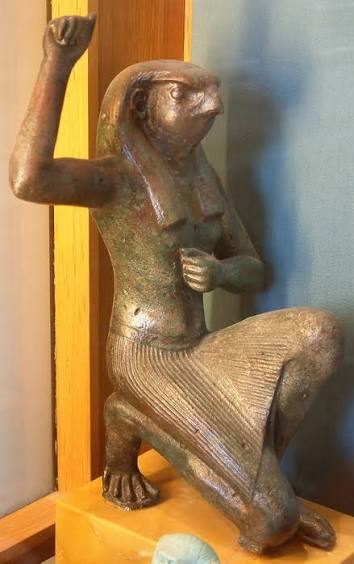
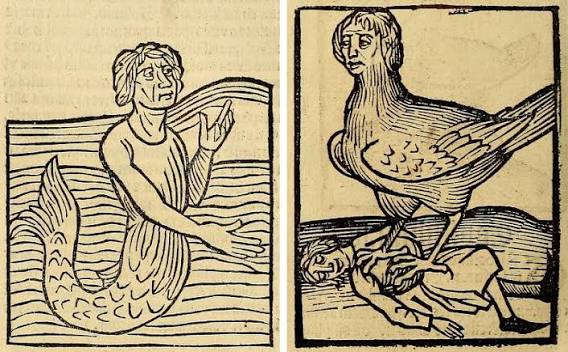
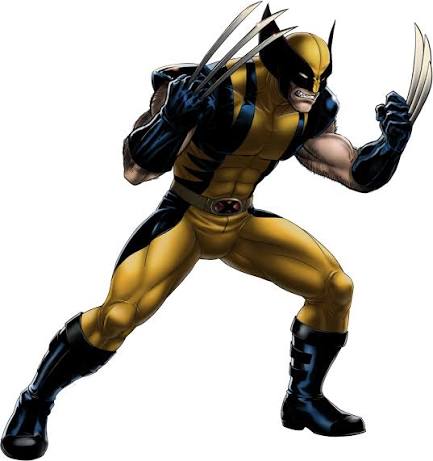
Therianthropic beings and images are those that combine human and animal attributes. The history of such is long and varied. From the early gods of Egypt and Sumeria and the cherubim of Genesis and the satyric demons of later medieval theology to an abundant literary tradition of sirens and mermaids and centaurs and werewolves and minotaurs and bat-winged gargoyles to even modern sightings/urban legends of cryptids like Bigfoot, Mothman, and dogmen. What is the reason for the persistence and universality of such an unnatural symbiology? Here is an illuminating observation from: https://www.encyclopedia.com/environment/encyclopedias-almanacs-transcripts-and-maps/therianthropism
"Animals are seen as emblems of principles, as vehicles for symbolically expressing existential truths about the human condition. Therianthropic images juxtapose two principles in a unified being. Thus, it is not the animality of the image that is important but its duality, its ambiguity, its nature as a dialectic category that simultaneously contrasts and synthesizes two opposing metaphorical principles—images of noncontiguous categories made continuous (culture-nature, wild-domesticated, rational-emotional, independent-submissive, etc.). Therianthropic images, given their nature as a category of representation betwixt and between other categories, as a category whose elements are neither separate nor unified, are frequently associated with rituals of transition and liminality (as in initiation rites and carnivals) or with the intermediate stages of creation, when the world is in neither its primal nor its finished state.
Only as the psychology of religion and the theory of symbolism permit the development of new modes of understanding can we hope to deal with the historical and theological questions that are posed by differentiating therianthropic images of the divine from those that are theriomorphic or anthropomorphic. All three kinds of images may exist simultaneously in the psychologies, if not the artistic representations, of the world's peoples. Therianthropic ideas simultaneously differentiate and synthesize the qualities that define humanness with those that define the nonhuman other, and they may not represent significantly different, historically traceable, understandings of the nature of divinity so much as conventional representations of a universal religious phenomenon."
This suggests to me that these symbolic beings represented a middle stage or mediating transformative state between the absolute Otherness of the spirit realm and the mortal world of humans--hearkening back to the time when shamans dressed up as various animals during tribal rituals and dances. The possibility of synthetic unity of man and beast--of the non-human with the non-animal-- thru their dynamic hybridization as one being.
Synchronistically this just came up on my FB news feed! I didn't even know this!